

 English
 عربى

Product Category
NEW Category
Contact us
 +86-577-61801111
ACB Circuit Breaker: The Big Switch That Clears the Fault at the Main
An ACB Circuit Breaker sits at the main incoming of a switchboard and interrupts the fault current before it reaches the equipment downstream. It is not the small molded case breaker in a panel. It is a draw-out unit that handles thousands of amps at low voltage, with an arc chute that splits the arc and a trip unit that decides when to open. The ACB is the main protection device for the industrial plant, the data center, and the large commercial building.
The Arc Is the Problem to Solve
When the contacts open under load, the current tries to keep flowing through the air between them. That is the arc. It is hot and ionized, and it has to be extinguished before the current can be interrupted. The ACB uses an arc chute, a stack of metal plates that splits the arc into many small arcs. Each one cools faster than the single arc. The resistance climbs and the current falls to zero.
An ACB with the properly designed arc chute interrupts the fault current in a few cycles. The breaker does not just open the contacts. It manages the arc. The contacts themselves are made from a silver alloy that resists welding under the fault current.
The Draw-Out Construction
The ACB sits in a cradle or a cassette. The breaker body is on a draw-out mechanism. The operator racks the breaker in to connect it to the busbars and the cables. The breaker can be racked out to the test position, where the control circuit is still connected but the main contacts are isolated.
The draw-out construction lets the breaker be removed and replaced without shutting down the entire switchgear. An ACB with a reliable racking mechanism is swapped in minutes. A breaker fixed in place requires the whole panel to be de-energized for the service.
The Trip Unit Is the Intelligence
The ACB carries the current and interrupts the fault, but the trip unit decides when. The trip unit reads the current and applies the long-time, short-time, and instantaneous protection. The settings coordinate with the downstream devices so the breaker closest to the fault trips first.
An ACB with the electronic trip unit offers the adjustable settings, the metering, and the communication. The breaker reports the current, the voltage, and the power quality to the control system. The operator sees the load and the events without opening the panel.
Here is what an ACB circuit breaker has to deliver:
- Arc chute that splits and cools the arc
- Contacts that resist welding under the fault current
- Draw-out mechanism for the service without the full shutdown
- Electronic trip unit with the adjustable protection settings
- Communication for the remote monitoring
- Mechanical and electrical interlocks for the safety
Where the ACB Sits
The industrial plant uses the ACB at the main incoming and the large feeder circuits. The breaker handles the thousands of amps the plant draws.
The data center uses the ACB in the main switchgear and the UPS distribution. The breaker protects the critical power path.
The large commercial building uses the ACB at the service entrance and the distribution panels. The breaker coordinates with the downstream devices.
The Contacts That Weld
The contacts weld under the fault current and the breaker does not open. The properly rated contact material resists the welding. The arc chute erodes and the interruption slows. The quality arc chute handles the repeated faults. The trip unit drifts and the protection coordinates poorly. The quality trip unit holds the settings.
An ACB circuit breaker is the big switch that protects the main distribution. The arc chute interrupts. The trip unit decides. Choose a breaker with the right arc chute, the right contacts, and the right trip unit.
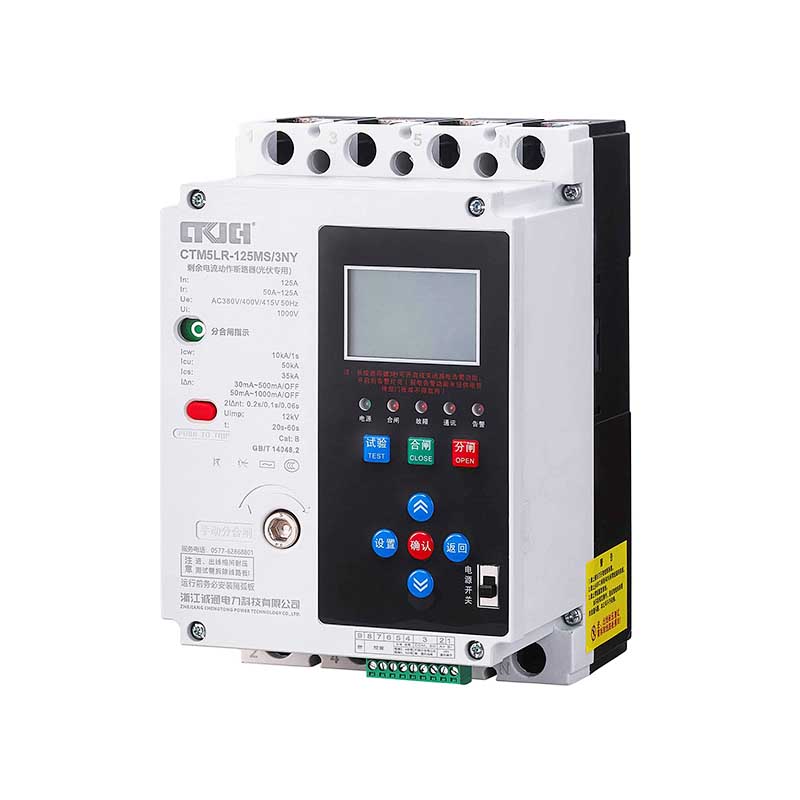
PREV:Air Circuit Breakers: The Heavy Switchgear That Interrupts the Big Current
NEXT:New website is online!
NEXT:New website is online!
Interested in cooperation or have questions?
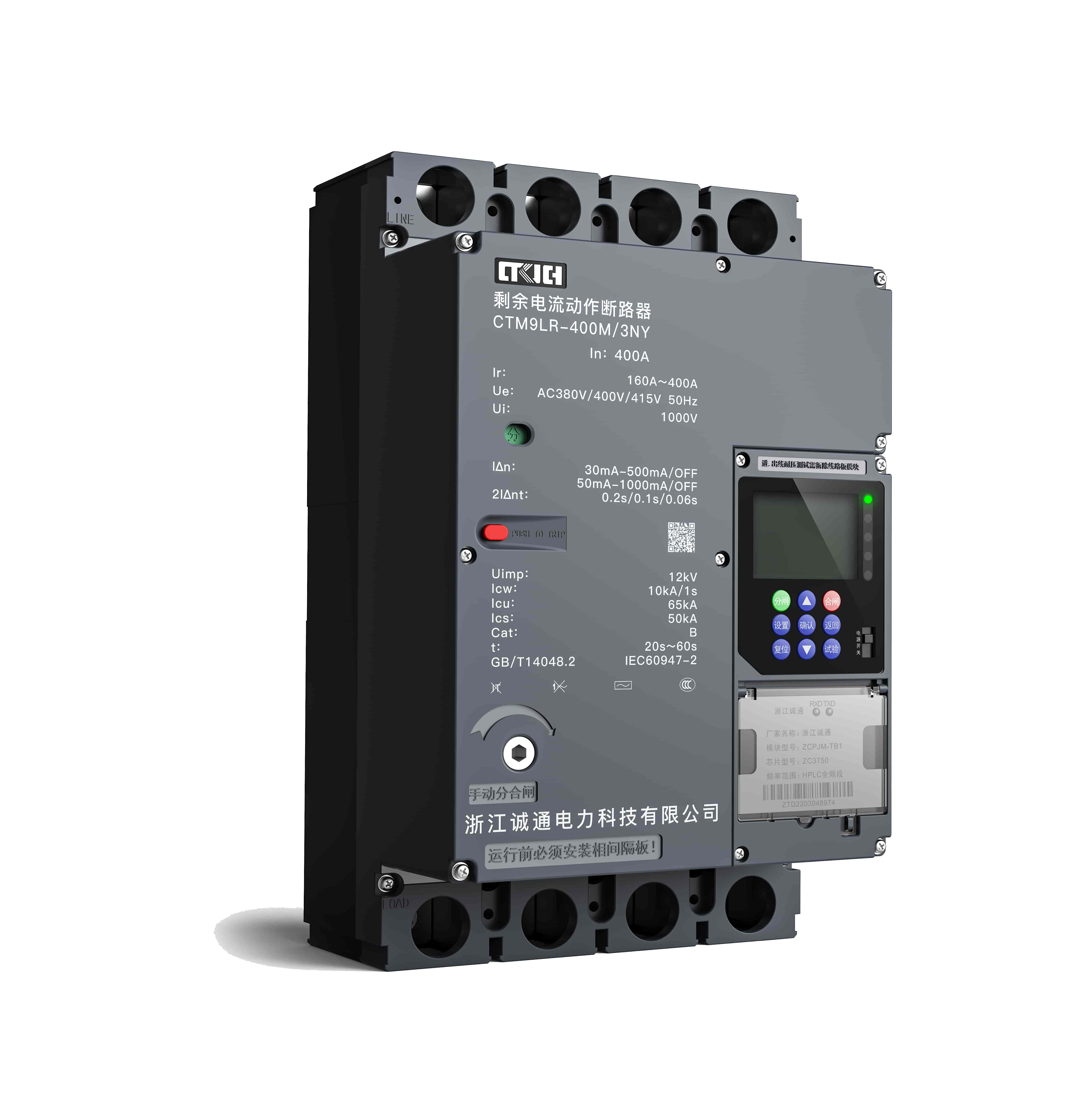
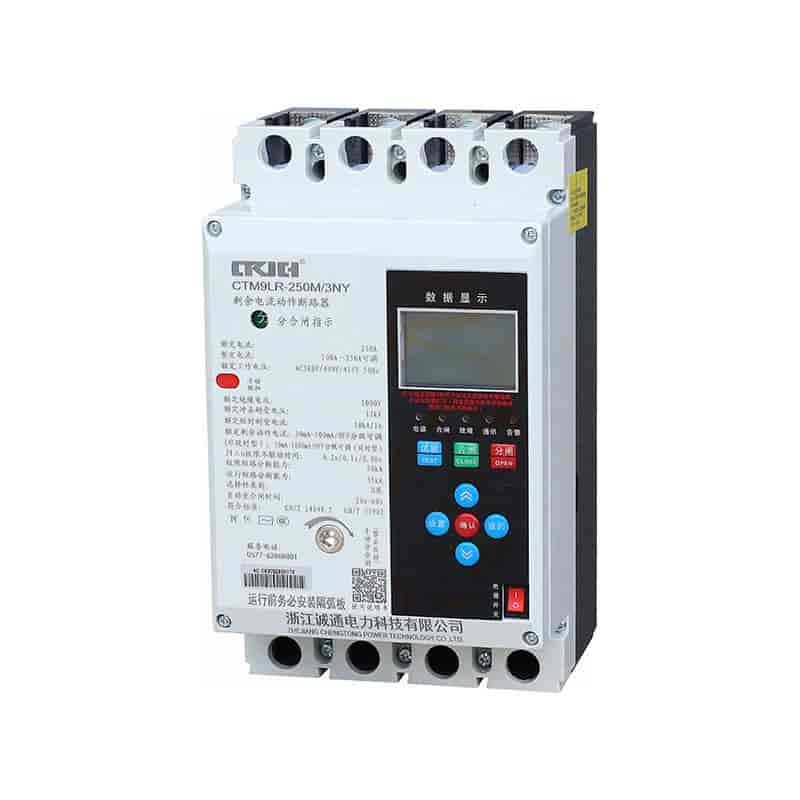
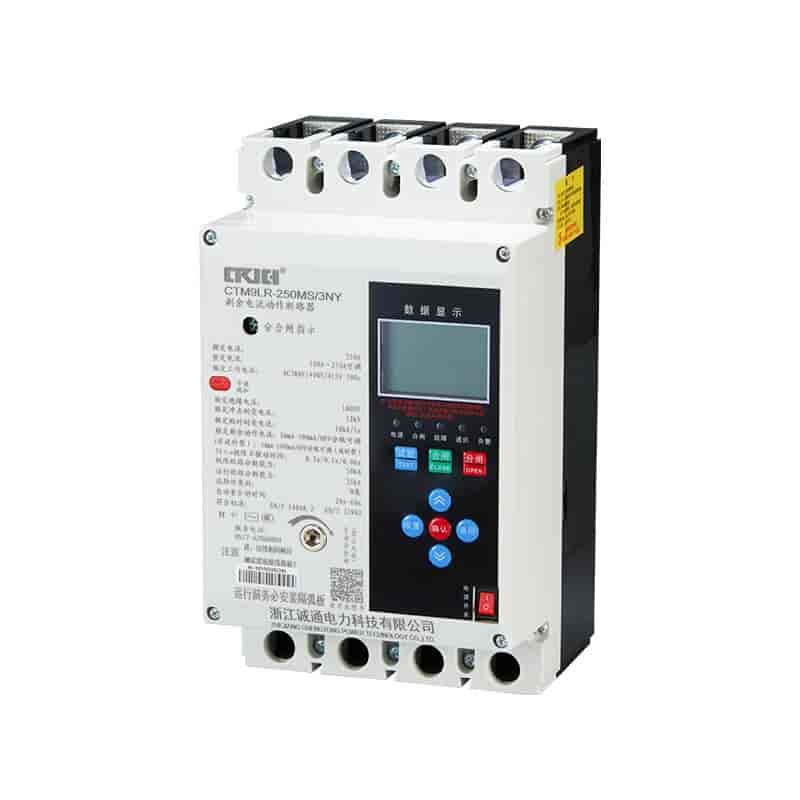


Sincere cooperation, welcome to contact us!

Product Categories
Contact Us
 Telephone: +86-577-61801111
 Email: CT@gmail.com
lirongfan1@ctdlkj.cn WhatsApp: 8618005775753
-
 Company Address
No. 8 Wanhong Road, Zhongfang Intelligent Park, Beibaixiang Town, Yueqing City, Zhejiang Province
Copyright © by Zhejiang Chengtong Power Technology Co.,Ltd. All Rights Reserved.
