

 English
 عربى

Product Category
NEW Category
Contact us
 +86-577-61801111
Automatic Transfer Switch: The Device That Switches Power Before the Lights Go Out
The grid fails. The lights flicker, the equipment stops, and the backup generator has to take over. In a building without an automatic transfer switch, someone has to walk to the panel and throw the switch by hand. The automatic transfer switch does it without the hand. It senses the loss of the normal supply, starts the generator, and transfers the load once the generator is stable. When the grid returns, it switches back and shuts the generator down. The transfer happens in seconds.
The Sensing and the Start Signal
The transfer switch monitors the normal supply. When the voltage drops below the threshold or disappears, the controller sends the start signal to the generator. The generator cranks and comes up to speed. The switch waits for the generator voltage and frequency to stabilize before it transfers. A switch that transfers too early sends the load to a generator that is not ready, and the generator stalls.
The transfer switch has the adjustable voltage and frequency settings and the time delay. The delay is set for the generator to warm up and stabilize. The wrong delay is the difference between a clean transfer and a stall.
The Mechanism That Moves the Contacts
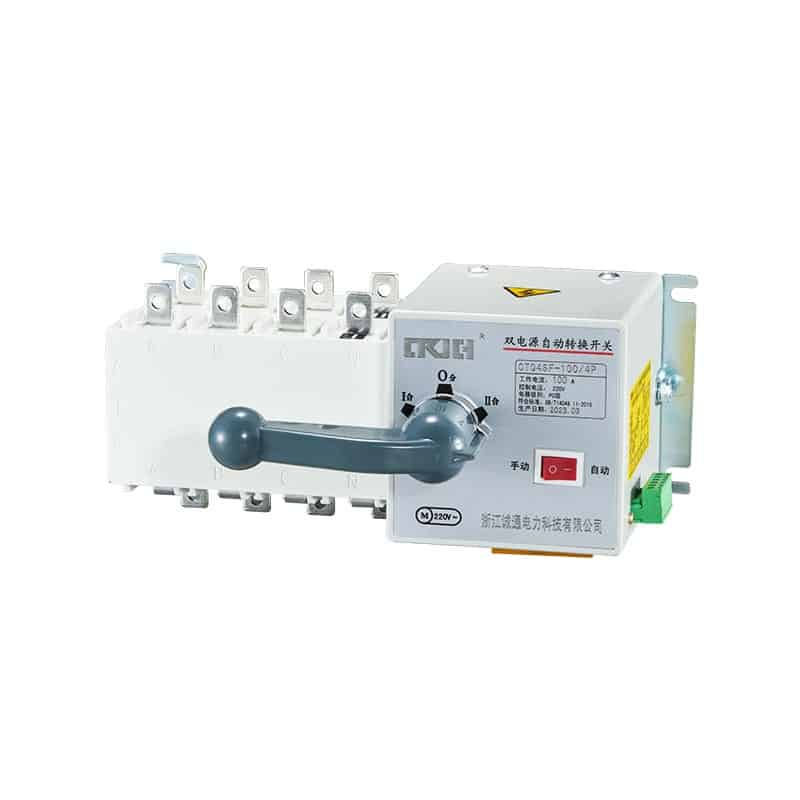
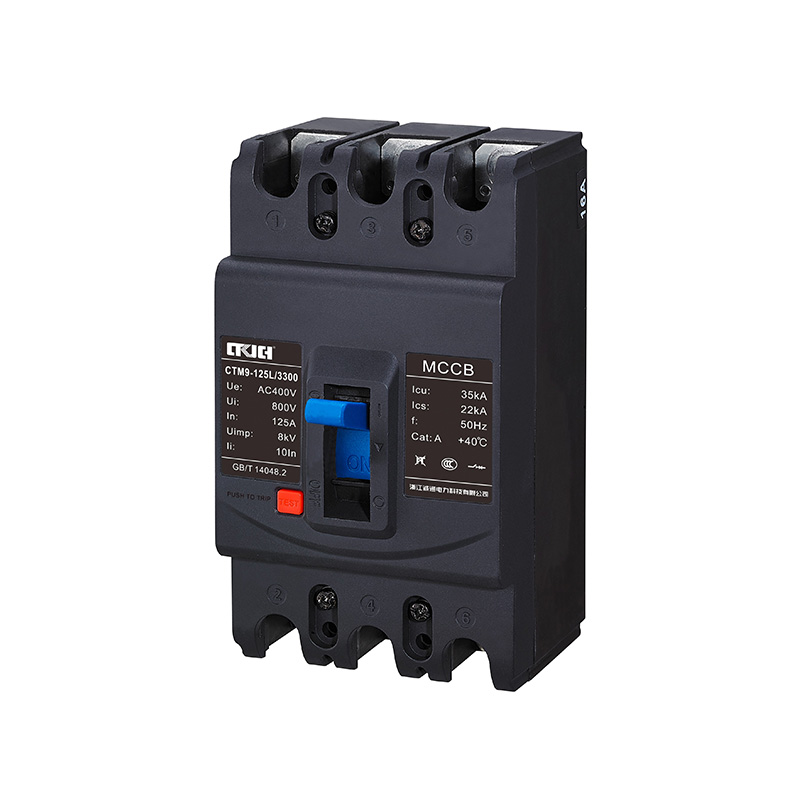
The transfer switch is a pair of contactors or a molded case switch with a motor operator. One side connects to the normal supply. The other side connects to the generator. The mechanism moves the load from one to the other. The contacts have to break the load current without welding.
An automatic transfer switch with the open transition breaks the connection to the normal supply before it makes the connection to the generator. The load sees a brief interruption. The closed transition makes the connection before it breaks the other, and the load sees no interruption. The closed transition is the choice for the data center and the hospital where the interruption is not acceptable.
The Return and the Cooldown
When the normal supply returns, the switch monitors it for the stable period. The controller transfers the load back and sends the stop signal to the generator. The generator runs through the cooldown cycle before it shuts down. The cooldown lets the engine shed the heat before it stops.
Here is what an automatic transfer switch has to deliver:
- Voltage and frequency sensing with the adjustable settings
- Time delay for the generator warm-up and the return
- Open or closed transition matched to the load
- Contacts rated for the load current without welding
- Manual bypass for the maintenance
- Enclosure rated for the installation environment
Where the Switch Sits
The hospital, the data center, and the airport use the closed transition for the uninterrupted load. The commercial building and the small industrial plant use the open transition. The residential standby system uses the smaller switch with the same sensing and the same delay.
The Transfer That Fails
The switch transfers before the generator is stable and the generator stalls. The delay was too short. The contacts weld under the fault current and the switch does not transfer. The contacts were undersized. The controller fails and the switch sits in one position. The manual bypass is the backup for the maintenance, not for the failure.
An automatic transfer switch moves the load from the grid to the generator and back without the hand. The sensing, the delay, and the contacts decide whether the transfer is clean. Choose a switch rated for the load and set the delay for the generator.
PREV:Automatic Transfer Switch: The Device That Switches Power Before the Lights Go Out
NEXT:Safety Switches RCBO: The Breaker That Watches the Earth Fault
NEXT:Safety Switches RCBO: The Breaker That Watches the Earth Fault
Interested in cooperation or have questions?


Sincere cooperation, welcome to contact us!

Product Categories
Contact Us
 Telephone: +86-577-61801111
 Email: CT@gmail.com
lirongfan1@ctdlkj.cn WhatsApp: 8618005775753
-
 Company Address
No. 8 Wanhong Road, Zhongfang Intelligent Park, Beibaixiang Town, Yueqing City, Zhejiang Province
Copyright © by Zhejiang Chengtong Power Technology Co.,Ltd. All Rights Reserved.
