

 English
 عربى

Product Category
NEW Category
Contact us
 +86-577-61801111
Safety Switches RCBO: The Breaker That Watches the Earth Fault
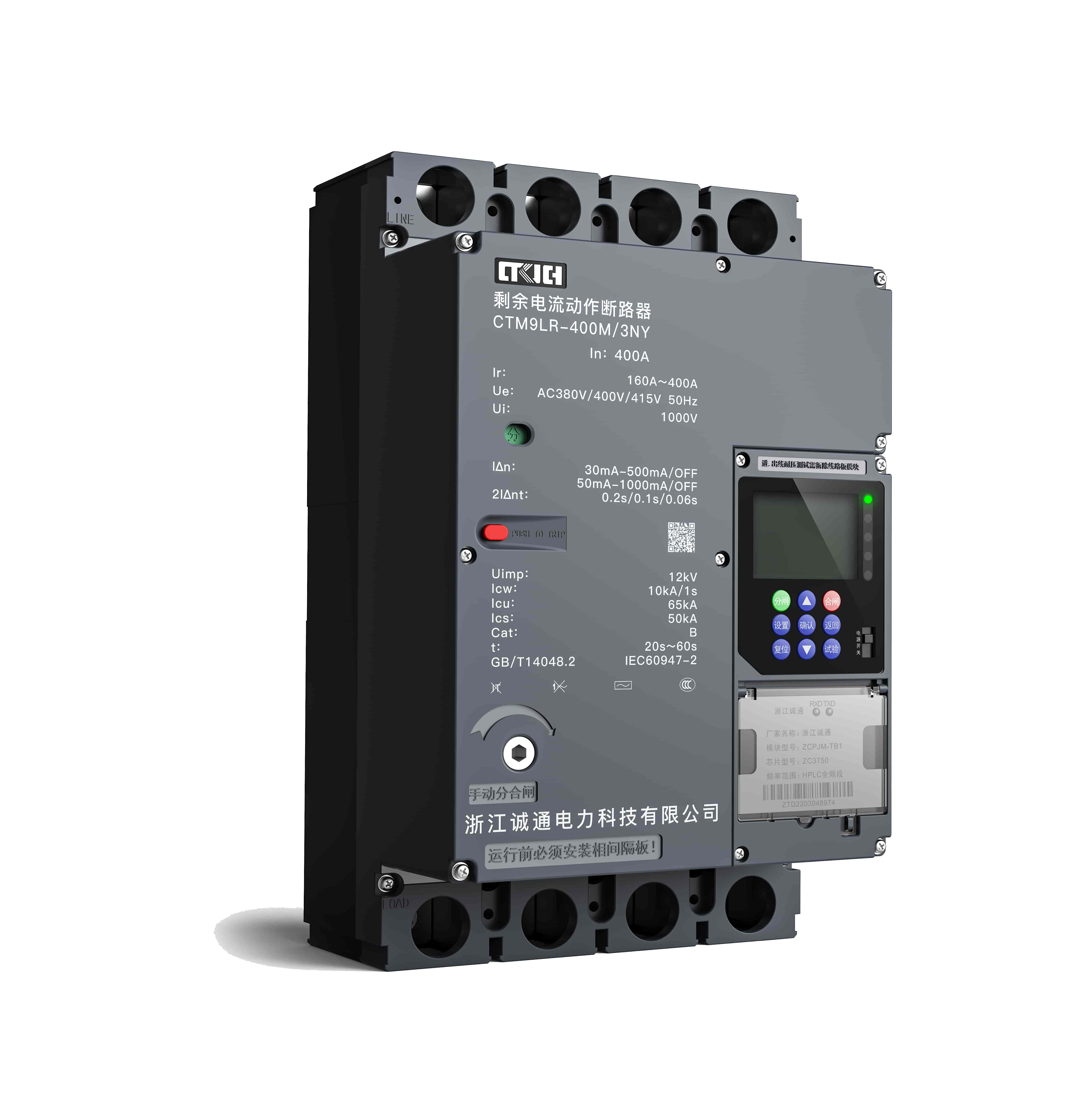
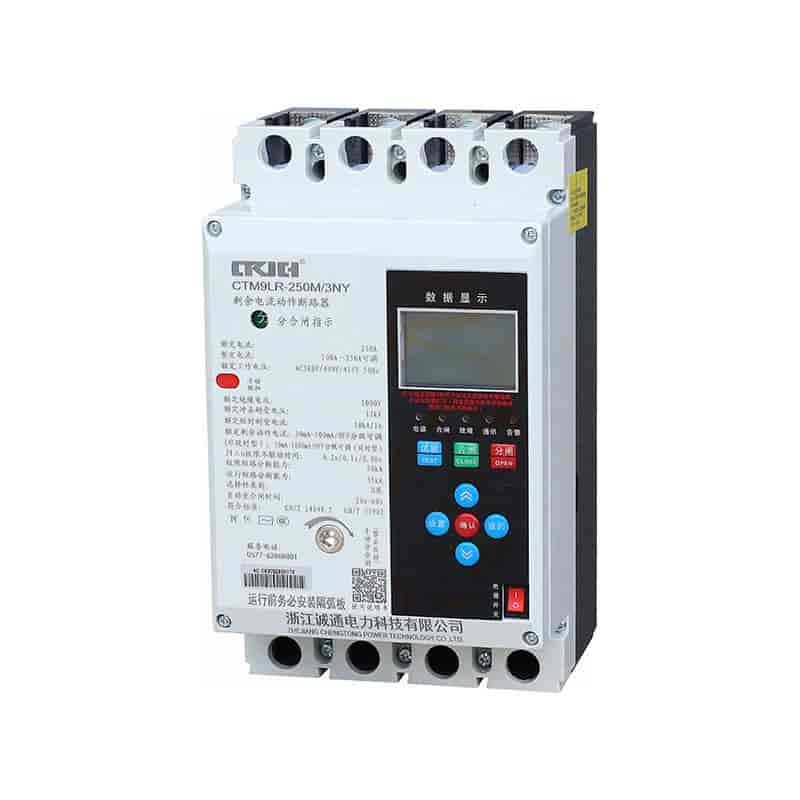
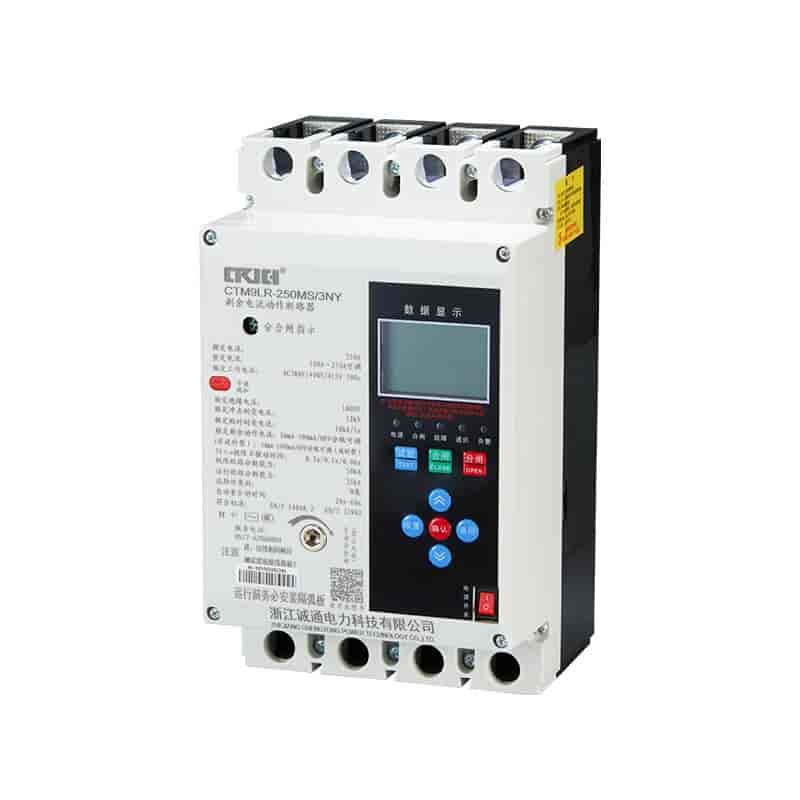
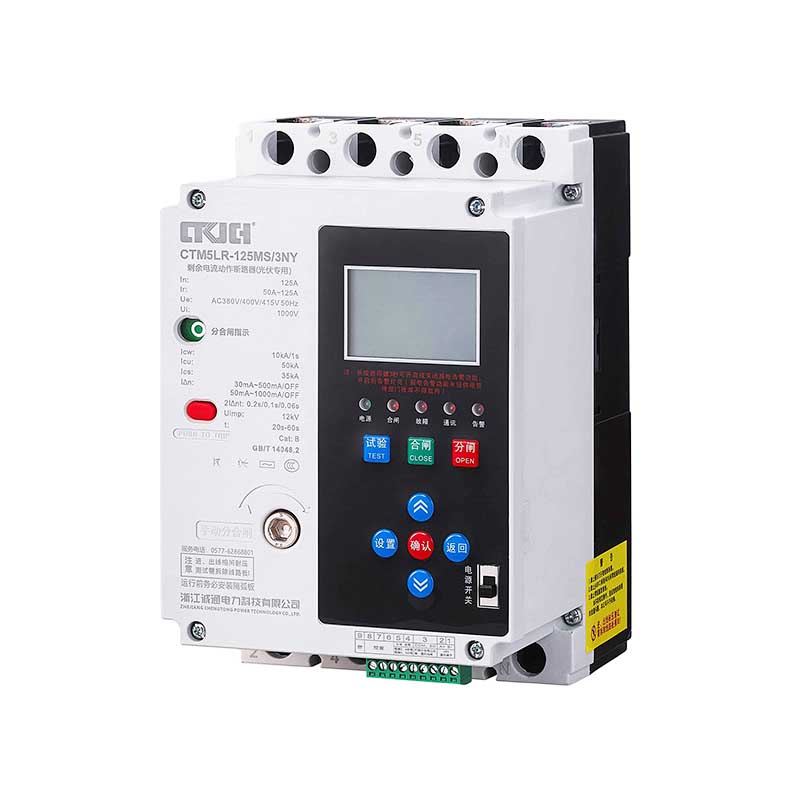
A standard circuit breaker watches the current on the live wire. It trips when the current climbs too high. A safety switch RCBO watches the same current and something else: the current coming back on the neutral. If the two do not match, some current is leaking to earth, and the RCBO trips. That leak could be a person touching a live part. The RCBO is the device that watches for the earth fault and the overload in one unit.
The Earth Fault Is the Different Job
The overload protection is the familiar part. The thermal element in the breaker heats up under the sustained overload and trips the contacts. The magnetic element trips instantly on the short circuit. A standard MCB does both. The RCBO adds the third function: the residual current detection.
The RCBO sums the current in the live and the neutral conductors through a toroidal core. The magnetic flux from the two currents cancels when the currents are equal. When some current leaks to earth, the sum is not zero, the flux appears in the core, and the sensing coil picks up the signal. The RCBO trips.
The Sensitivity and the Time
The sensitivity is the trip threshold. The 30 milliamp device protects people. The 100 or 300 milliamp device protects the equipment and the building from the fire. The RCBO is chosen for the application. The wrong sensitivity either fails to protect the person or trips on the normal leakage of the installation.
The time delay is the second setting. The instantaneous device trips in milliseconds. The time-delayed device waits for a short period to allow the downstream devices to trip first. The time delay is used in the installation with the multiple RCBOs in series to coordinate the trip.
The Types and the Waveform
The RCBO comes in the types A, AC, B, and F. The type AC responds to the alternating residual current. The type A responds to the alternating and the pulsating DC. The type B responds to the smooth DC residual current, the type generated by the EV charger and the solar inverter. The type F sits between. The wrong type fails to trip on the DC residual current.
Here is what a safety switch RCBO has to deliver:
- Residual current trip at the sensitivity setting
- Overcurrent protection with the thermal and magnetic trip
- Type matched to the load and the waveform
- Time delay for the coordination where needed
- Test button for the periodic verification
- DIN rail mount and the standard busbar connection
Where the RCBO Goes
The residential board uses the 30 milliamp type A on the socket circuits. The EV charger uses the type B because the charger generates the smooth DC. The solar inverter uses the type B for the same reason. The commercial panel uses the 300 milliamp device for the fire protection on the main incoming.
The Test Button and the Verification
The RCBO has the test button that simulates the earth fault and trips the device. The installer presses the button to verify the trip. The routine verification presses the button on the schedule. The RCBO that fails the test gets replaced.
The Nuisance Trip
The RCBO trips because the sensitivity is too low for the installation leakage. The cumulative leakage of the filters, the electronics, and the cables exceeds the threshold. The device with the higher sensitivity setting or the time delay coordinates better. The wrong type fails to trip on the DC. Each one is a selection decision.
A safety switch RCBO watches the earth fault and the overload in one unit. The residual current detection, the thermal trip, and the magnetic trip. Choose the right sensitivity, the right type, and the right time delay.
PREV:Automatic Transfer Switch: The Device That Switches Power Before the Lights Go Out
NEXT:Air Circuit Breakers: The Heavy Switchgear That Interrupts the Big Current
NEXT:Air Circuit Breakers: The Heavy Switchgear That Interrupts the Big Current
Interested in cooperation or have questions?


Sincere cooperation, welcome to contact us!

Product Categories
Contact Us
 Telephone: +86-577-61801111
 Email: CT@gmail.com
lirongfan1@ctdlkj.cn WhatsApp: 8618005775753
-
 Company Address
No. 8 Wanhong Road, Zhongfang Intelligent Park, Beibaixiang Town, Yueqing City, Zhejiang Province
Copyright © by Zhejiang Chengtong Power Technology Co.,Ltd. All Rights Reserved.
